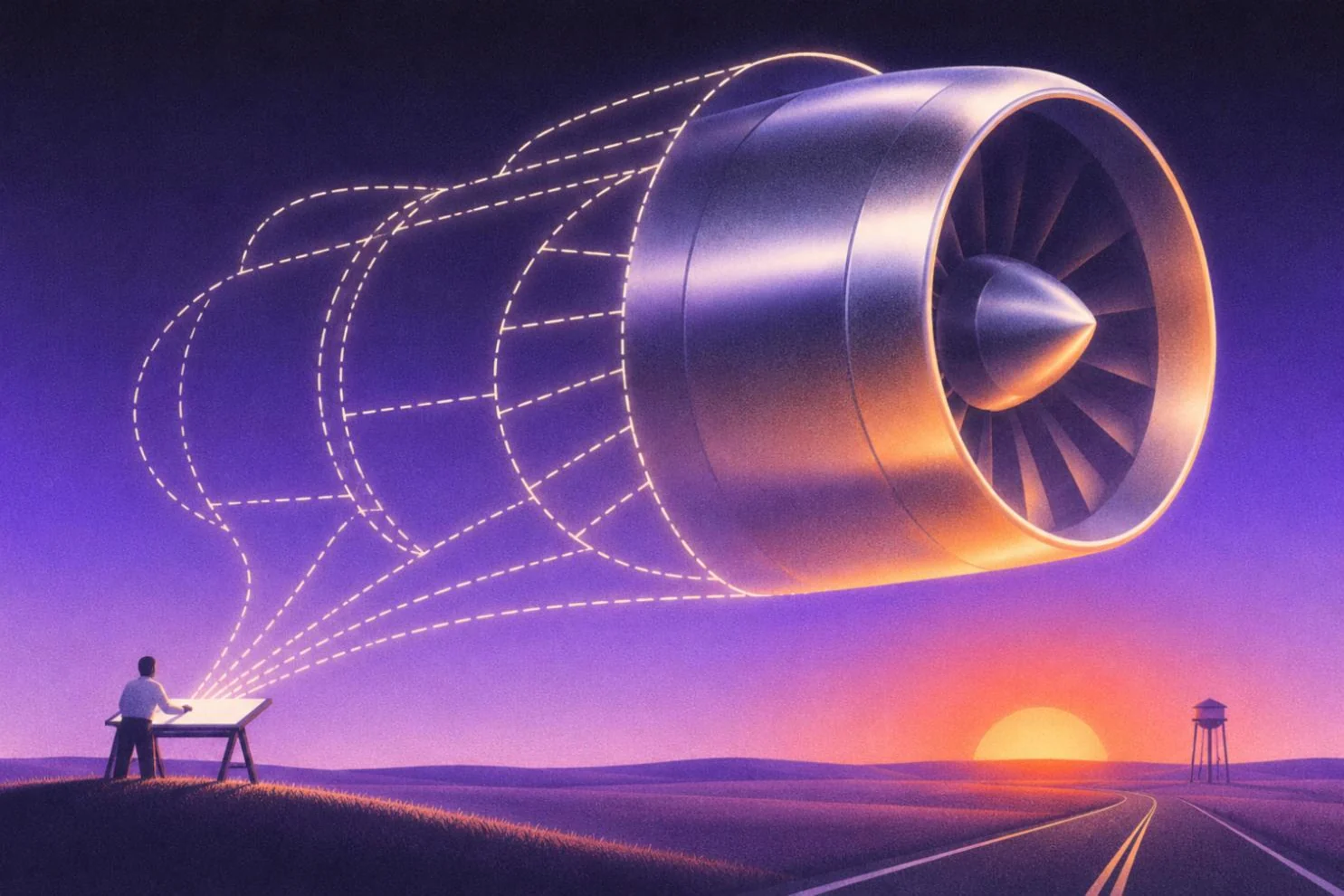
What would you build if you could try again tomorrow?
The version nobody makes
The only limit should be what you can imagine. It never has been.
An engineer has a design that works. He also has an idea for one that might work better.
His team tests on Friday. If the new part takes three weeks to arrive, he goes with what he has. If he could hold it in his hand tomorrow, he would try.
Same engineer. Same idea. Two different futures for the thing he is building.
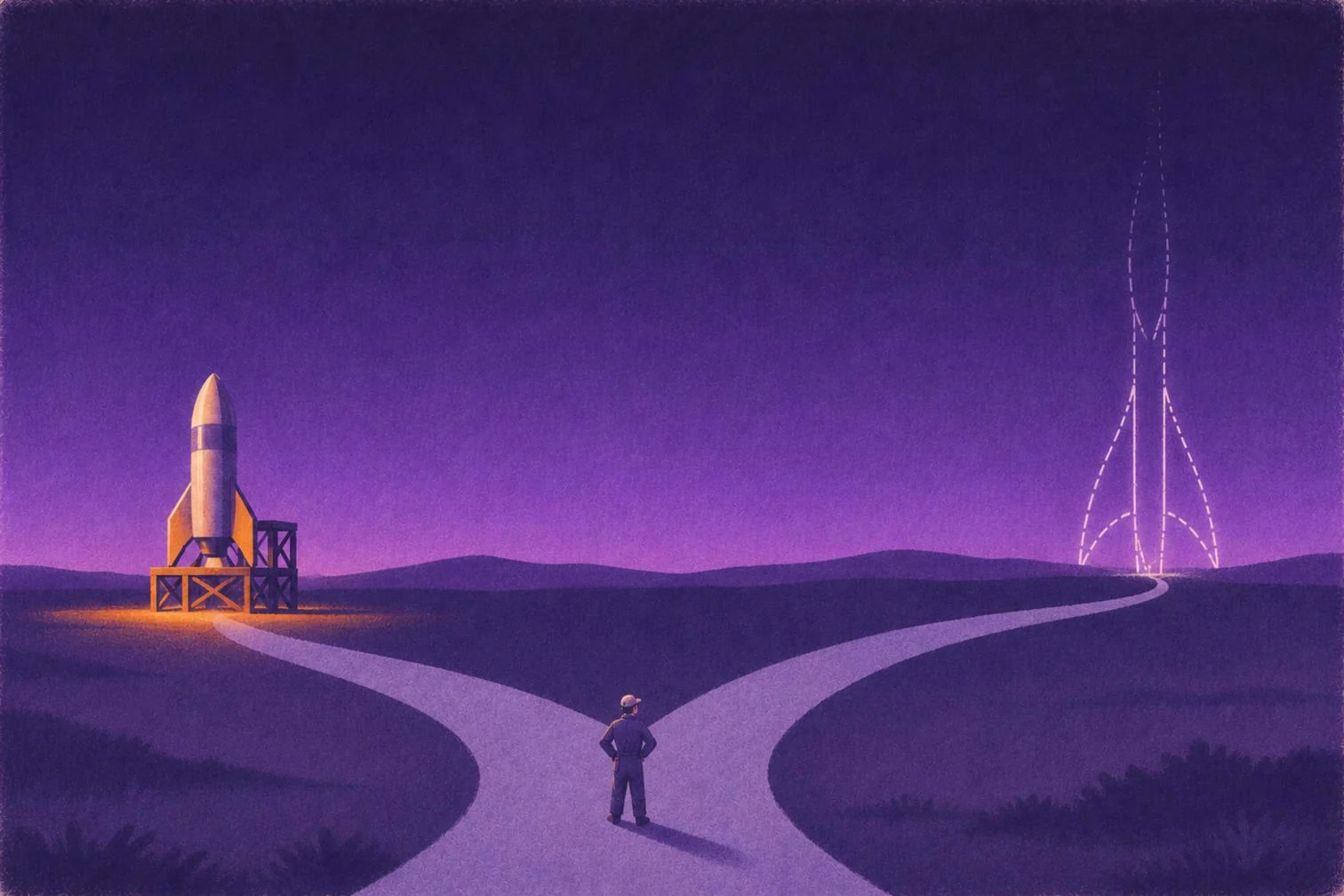
We measure slow manufacturing in days. The real loss is the version nobody makes.
Pick up the nearest thing somebody made. Is it the best version its makers could imagine, or the last one they had time to try?
Then think past the room.
The engine that was never tested. The machine a student drew at two in the morning and never saw in metal.
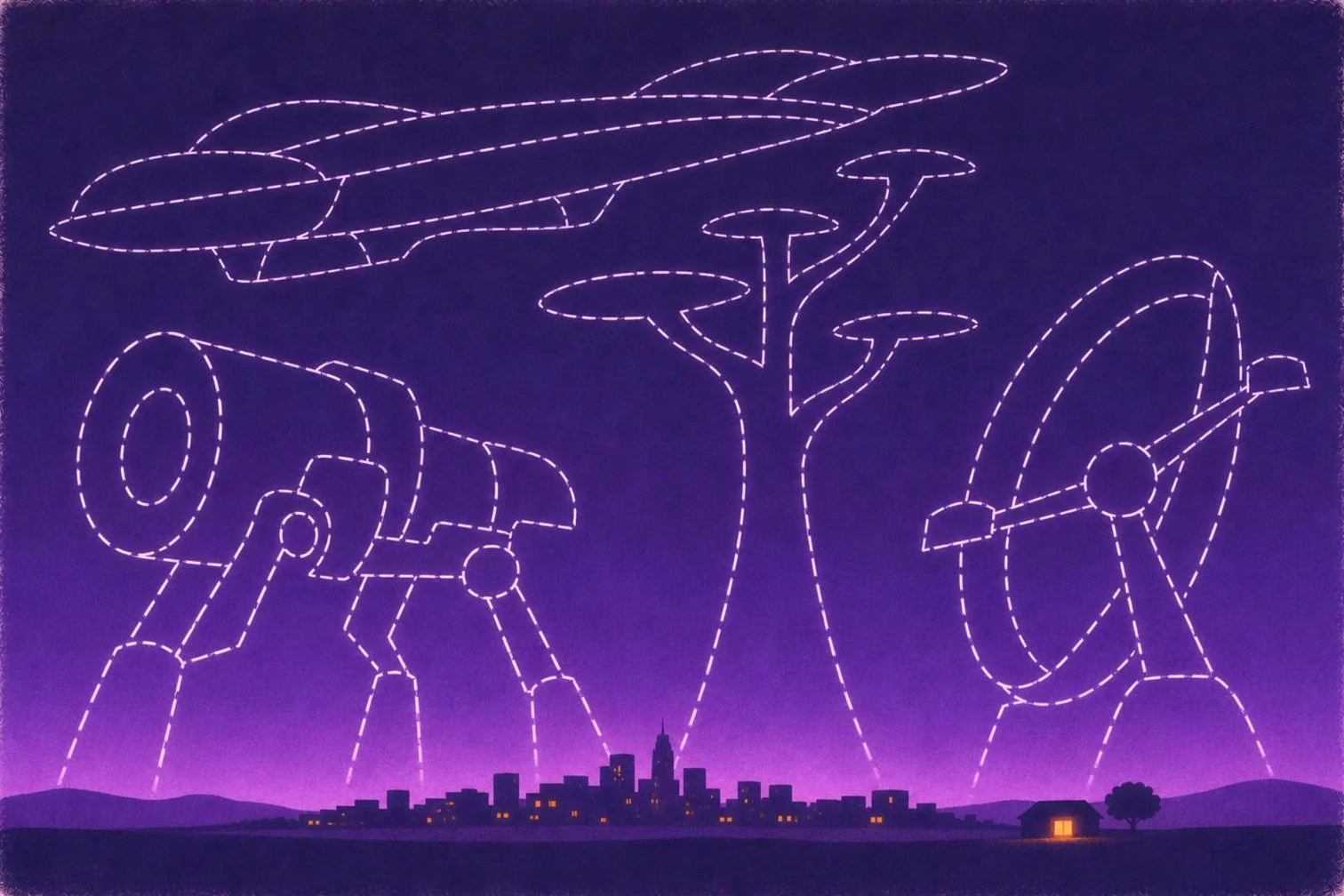
Our world is built from the ideas somebody could afford to try. The rest are still on paper.
The price of finding out
With time and money for one attempt, you build the design you can defend. With three, you try the one you only have a hunch about.
Lower the price of finding out and you change which ideas get built. Lower it far enough and you change who gets to build them.
The pace of human progress has always been set by the price of finding out.
When the printing press made words cheap, anyone with an argument could test it against the world. We got science.
When computers made code cheap, a teenager could try a thousand ideas in a summer. We got the modern world in fifty years.
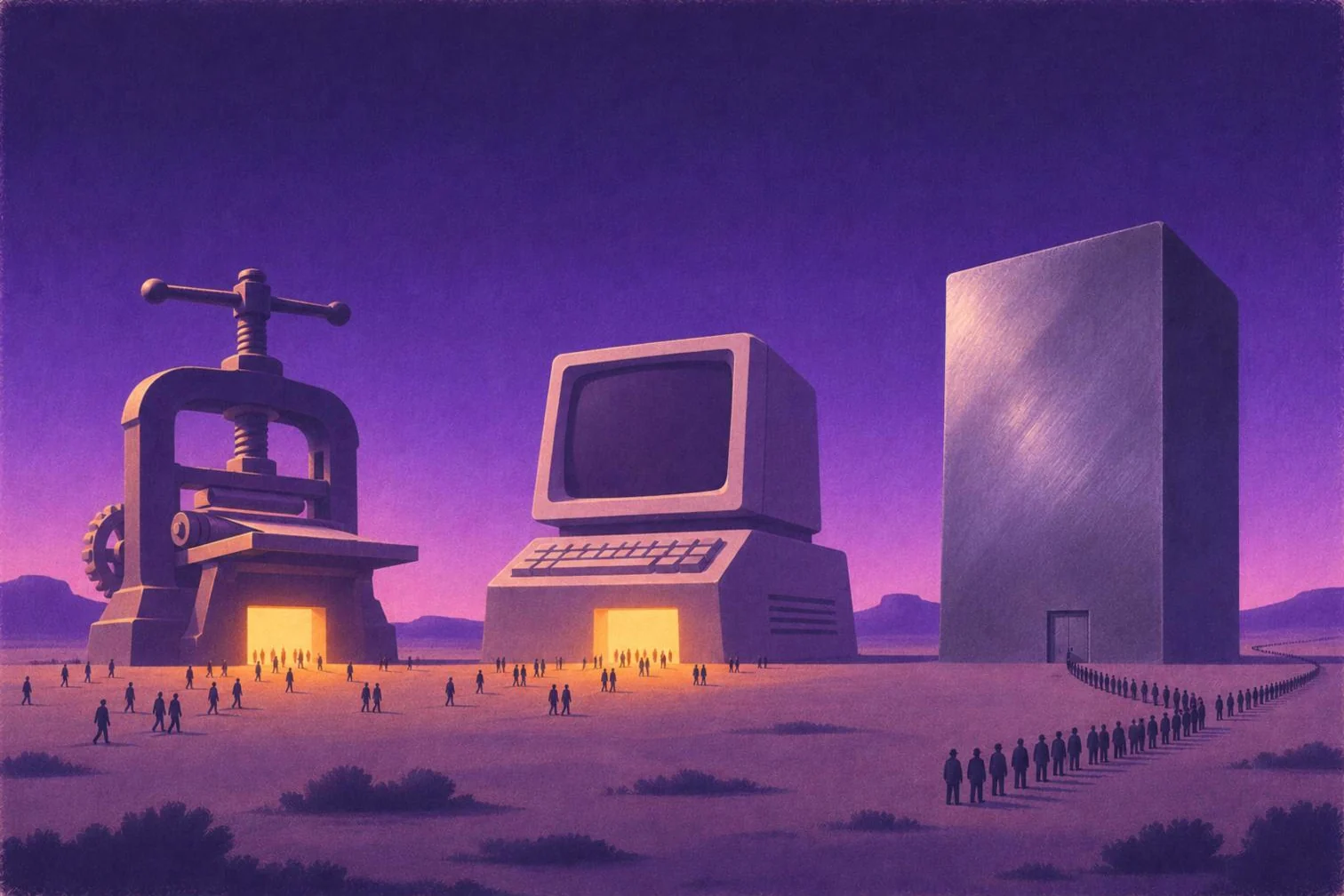
Matter never did.
An idea made of metal still costs what it cost our grandparents: weeks of waiting, and one chance to be right.
The price of trying an idea
So we can imagine a new machine in an afternoon and spend a year finding out if it works.
Ideas are about to get cheap
And the imagining is about to get much faster.
AI is learning to design. Soon an engineer will ask for ten versions of a part before lunch. A student with no training will describe a machine in plain words and watch it take shape on a screen.
Ideas are about to become the cheapest thing on Earth.
But a screen cannot tell you whether a handle slips in a wet glove. Put it in someone’s hand and you know in ten seconds.
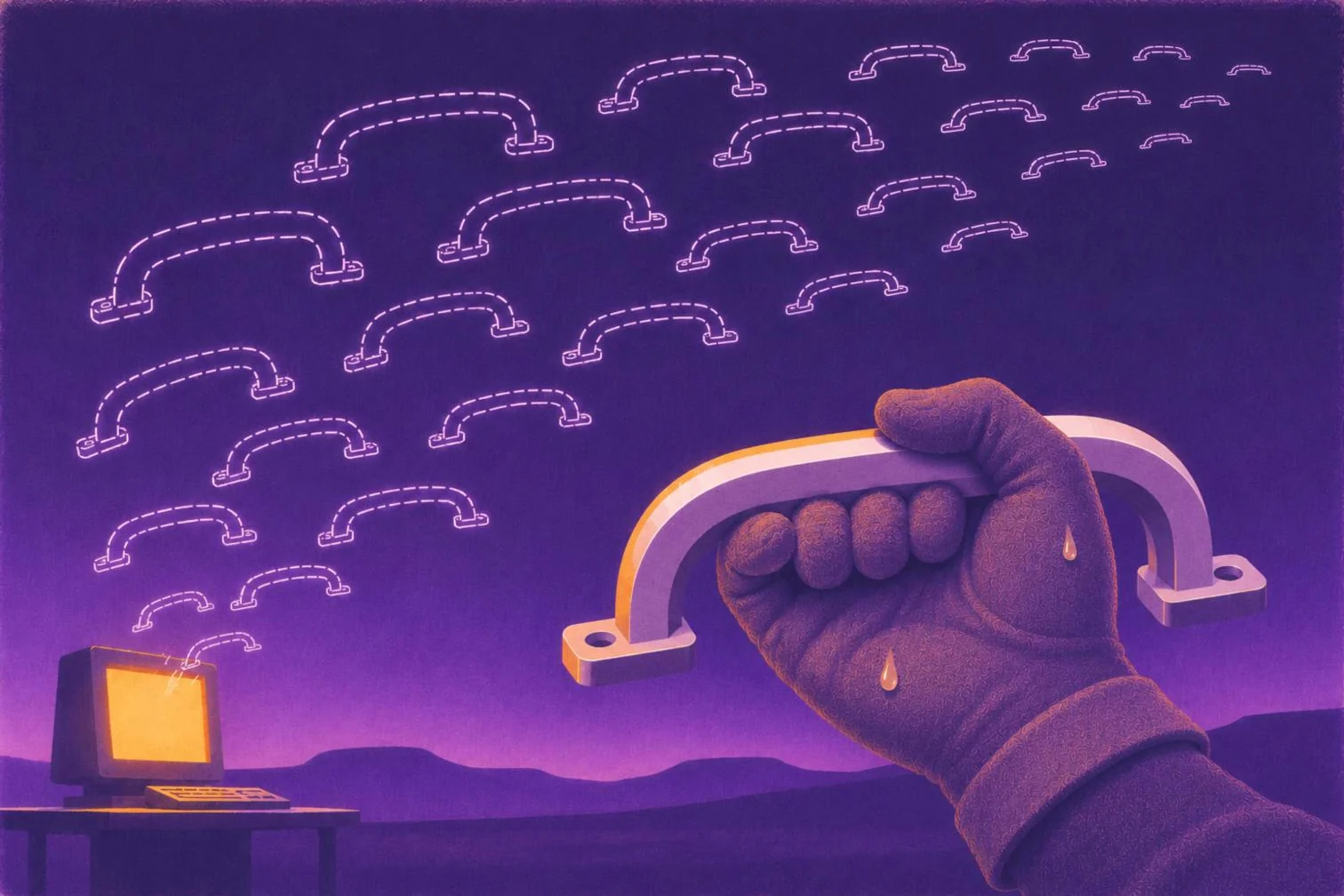
Only the world can tell you that.
The next ten years will not be short of ideas. They will be short of ways to find out which ones are right.
A factory that works like a computer
A computer turns instructions into information. A factory turns instructions into things.
Giving work to a computer takes a keystroke. Giving work to a factory takes phone calls, quotes, drawings sent back and forth, and weeks in line behind someone else’s order.
We are building factories that work the way computers do.
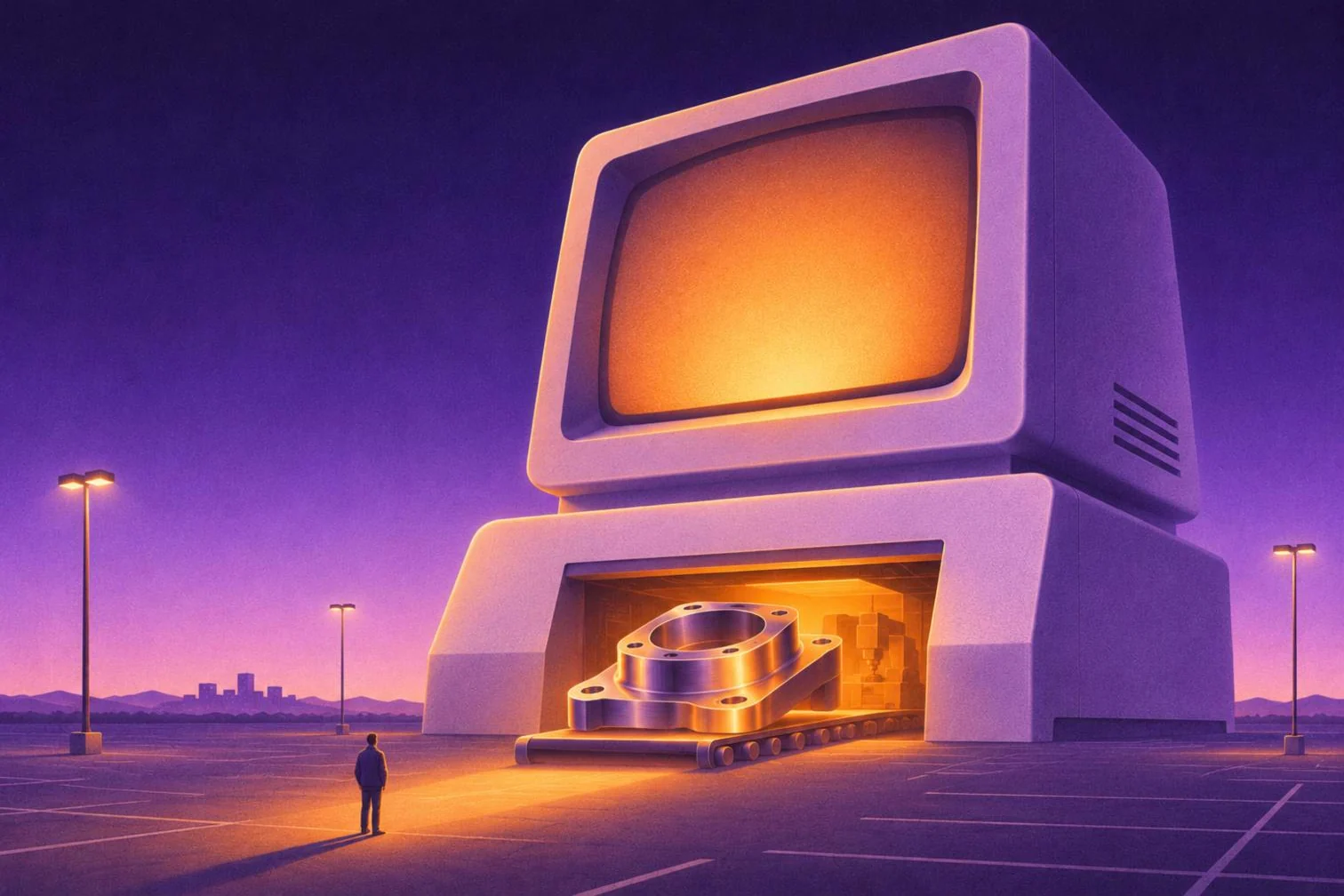
You send a design. Software reads it, plans every cut, finds the metal and starts the machines. Robots carry the work from one machine to the next. Cameras measure every surface.
What comes back is the part, with proof that it is right.
A design
Software plans every cut
Robots carry the work
Cameras measure every surface
The part, with proof
Nobody waits for a quote. No machine waits for a person. The factory runs through the night, and it remembers everything it learns.
What one factory learns from one part, all of them know.
Now put one in every city where people build. An engineer, or the AI working beside him, sends a design once. The network finds a factory that can make it by morning.
Ten years from now, sending a design to a factory will feel as ordinary as sending a page to a printer.
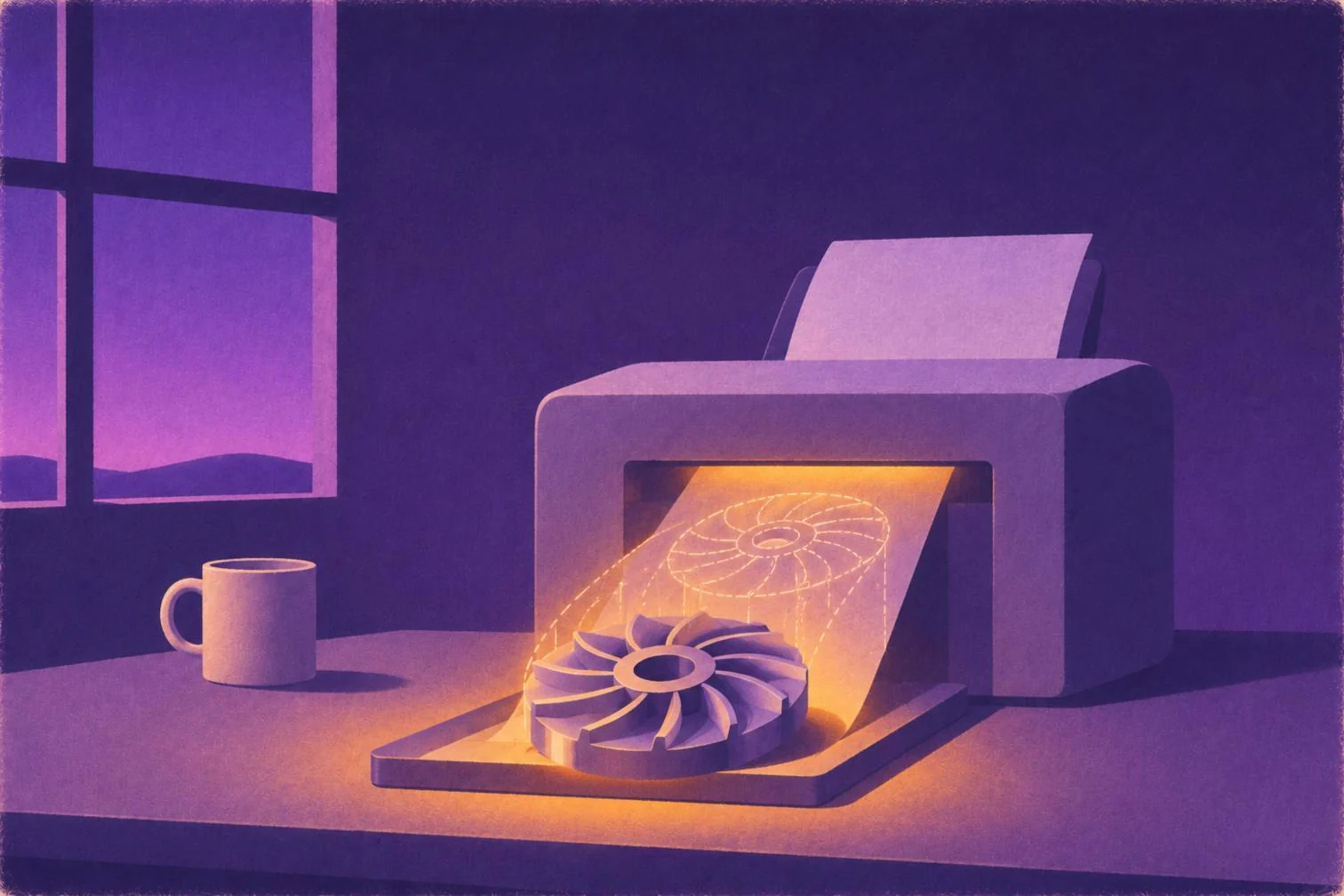
That is what Antropi is building.
Our first factory is running, and it makes metal parts. Plastics, assemblies and whole machines come next.
Who gets to invent
Here is what happens when trying gets cheap.
A mechanic watches delivery riders struggle to lift loaded bikes onto their stands. He sees it six times a day, and he has been redesigning the stand’s lever in his head for months.
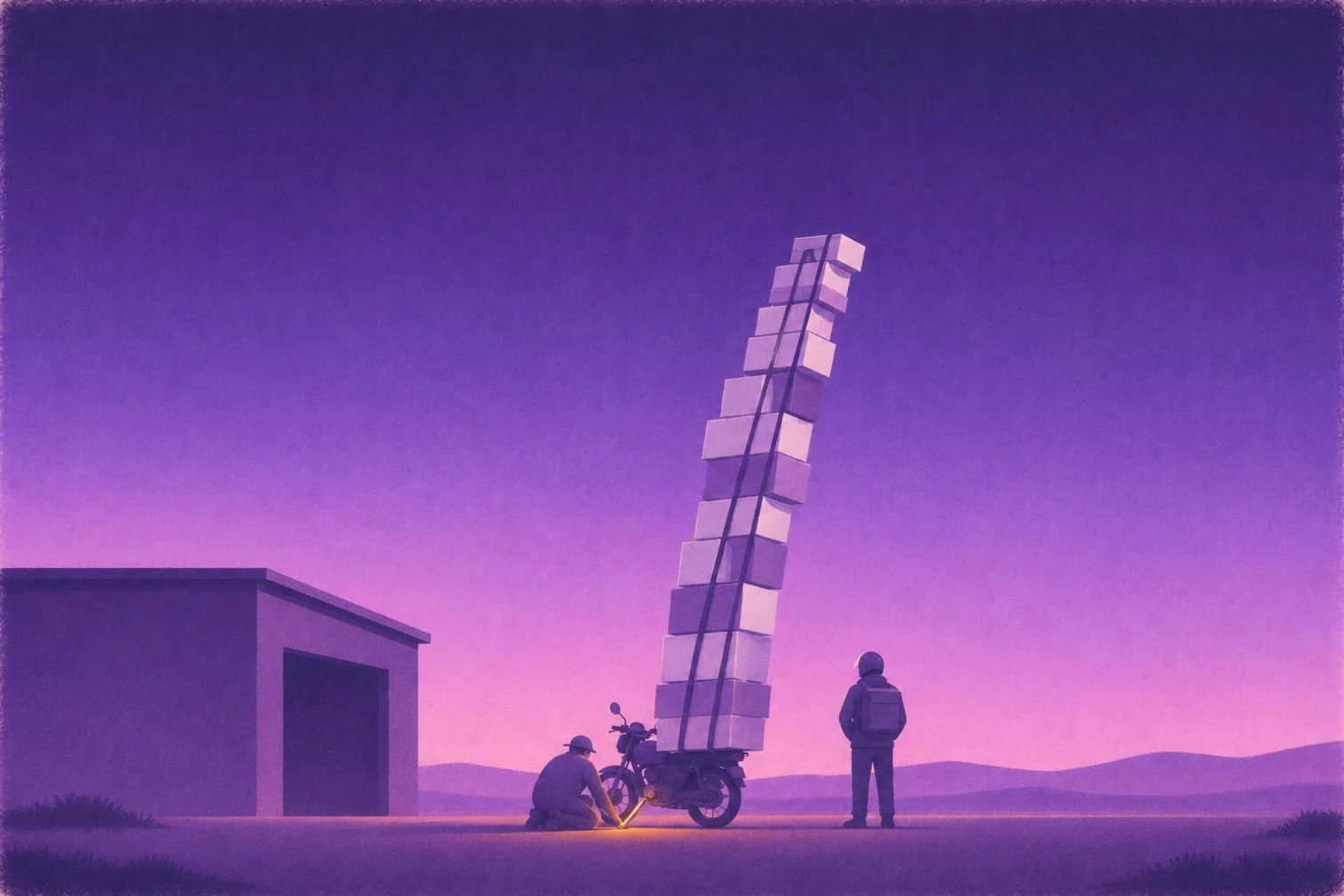
He has never designed a product.
He describes it to an AI, which draws two versions. A factory in his city makes both overnight.
In the morning a rider tries them outside his shop. One catches his boot. The other works.
A Catches the boot
B Works
×20
Made in the same city
He asks if the mechanic can make twenty.
He can.
He makes twenty and keeps running the shop that gave him the idea. If only a few hundred riders ever need that lever, it is still worth making.
For all of history, inventing belonged to the few people who stood close to a factory. In the next ten years it will belong to anyone who stands close to a problem.
The farmer who knows where his seed drill jams. The nurse who knows which latch takes two hands when he has one free. The fifteen-year-old with a better idea for a drone.
Multiply that by every city on Earth.
Millions of people who can afford to be wrong on Monday and right by Friday.
Machines we have no names for get built by people nobody would have hired to build them.
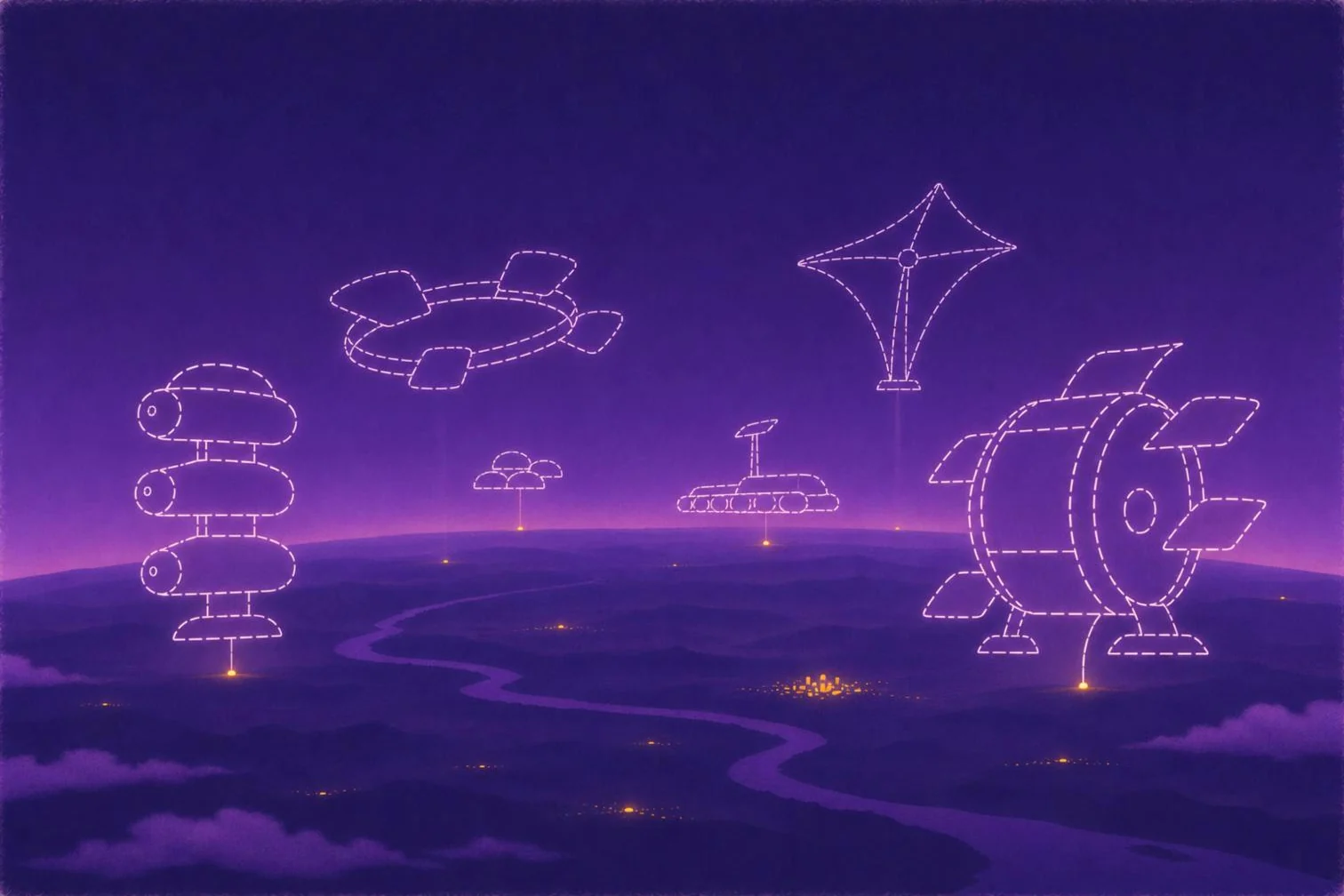
Tomorrow
Take that price away, and imagination is the only limit left.
We believe humanity moves faster when more people can afford to find out if they are right.
We are building the factories that let them.
What would you build if you could try again tomorrow?
Naman and ShubhFounders, Antropi Robotics. November 2026.